{poetry friday: acknowledging hard things in poetry}

This is definitely not under the banner of my #winterlight offerings, because it’s not particularly encouraging, but rather… thinky. I’m grateful for the friends who have dragged me into poetry practice, and for my Deeper Dive poetry group, whose exercises help me to look differently at the poetry I read.

This week, my group read several mentor poems which touched on grief or despair, and using repetition, direct address and present tense voice lead the poem towards a commonality of experience, allowing the reader to both feel and release their own similar emotions. Yesterday I wrote a draft of a poem describing the rise and fall of Allensworth, CA, the first township in my home state to be founded, financed, and governed by African-Americans – the “Buffalo soldiers,” of the Civil War. I have been fiddling with the idea of writing historical fiction set in this town – or writing fantastical fiction about magical happenings in this town. All of this is still in the very bubbling-stew-of-imagination stages.

Today I’m attempting to look objectively at another poem from the Harlem Renaissance using the same tools as we identified yesterday. If this has a lot of the tone of an English paper, that’s because I think I fall back on the strategies that worked for me in my upper level English courses. Additionally, writing things down is sometimes a way that I further process and remember them. So, aren’t you glad to be here to crib my notes for the test on Monday? Enjoy! 😂

If We Must Die

by Claude McKay

If we must die, let it not be like hogs
Hunted and penned in an inglorious spot,
While round us bark the mad and hungry dogs,
Making their mock at our accursèd lot.
If we must die, O let us nobly die,
So that our precious blood may not be shed
In vain; then even the monsters we defy
Shall be constrained to honor us though dead!
…

(Do read the rest at The Poetry Foundation.)

Born Festus Claudius McKay in Sunny Ville, Jamaica in 1889, Claude McKay loved English literature and studied and wrote poetry as a young man – about his feelings, about the world around him, and about the things he observed. Logically, we know McKay observed a great deal of racism – both in his home nation, and during his lifetime in the United States. The themes of both his poetry and novels reflect this. The poem, “If We Must Die” is one of his best known, and most celebrated, not just among the Black community, but more on that later. The feel of the poem is, despite its formal tone, in some ways very American – very macho. “Mejor morir a pie que vivir en rodillas,” right? Better to die on your feet than to live on your knees. (This quotation attributed to Emiliano Zapata, 1877-1919, and quoted by FDR in 1941 when receiving an honorary doctorate from Oxford University – apparently meant to be encouragement to a war-stressed Britain.)

Many times, poems which deal in difficult topics use the natural world as a foil, pointing to the continuous cycles of nature as a contrast to the brevity of the human cycle. While McKay does mention hogs and dogs, he mentions them in a disturbing similarity to human beings – Black people chased down, cornered, and executed like hogs, white people like baying hounds, harrying them and running them down. While it at first seemed to me a departure from his animal metaphor when he urges the subject of the poem to make the ‘monsters’ pay for every drop of blood shed, I thought about how dangerous hogs are to come across in the woods. Even if you’re not hunting them, you don’t want to run afoul of them – they’re aggressive, and they’ll come after you if they’re even startled. Like the 1546 proverb said, “Even a worm will turn.” Even the meekest and most docile of the animal kingdom can be pushed too far, and the Black man McKay describes with such polished, formal language is apparently a man pushed outside of his natural bent for civility and calm – or, at least his language seems to imply that’s man’s natural bent, anyway.

That high-toned language and …the poem’s precise shine in general seems deliberate. The poem is a Shakespearean sonnet, with all of the structure this rule-bound form allows – and with all of the history and travel that the sonnet implies, from thirteenth century Italy to 1500’s England to the more recent pen of a Jamaican-born Black man. With this history and through this distance, McKay speaks to a certain kind of reader – to men, ostensibly, as the poem cries out to “O, Kinsmen!” at one point, and readers are encouraged to die “like men.” Those kinsmen could be American men, or McKay’s fellow Afro-Caribbean immigrants. Today I learned that there is an urban myth that Winston Churchhill (!!!! NB: there is no record of it, so this is wholly mythical and sourced from people’s memories at the time) read this poem aloud on the radio during the siege of London in 1940. Because this sonnet lacks specific identifying markers – the “We” who must die are called “kinsmen” and “men” and their oppressors simply “monsters” – the clarion call of standing with one’s back to the wall and fighting to the death, couched in the scholarly lines of a very European poetic form makes it allegedly relatable even to the Prime Minister of England. Who knows – maybe the poem is intended to speak to long-ago Italians and Englishmen as well. McKay’s direct address invokes whatever present moment the reader finds themselves in, which is often claustrophobically close in the ‘painful topic’ poem genre, and gives the reader a sense of tempus fugit – of a time that is fleeing, and so right this minute you must listen to the poet, and hear his wisdom, which may not be available beyond this epoch. I imagine the narrator running, ghostlike, along with a person fleeing a lynching, urging him to not just run but to consider stopping and making a last stand instead, to make the monsters pay. Even with these sterling words and high tone, though, it’s hard to imagine someone running for their life being very open to the whole thing.

The long-ranging discussion of violence and non-violence, of “By Any Means Necessary” and passive protest is present in this poem, but wrapped in the idea of nobility and honor. Is it better to “nobly die” not like a slaughtered hog, but “fighting back?” Or will you still be just dead? McKay definitely seems to believe that an honorable death is the best death – but the jury’s still out.

Thank you for coming to my English Lit discussion.

EDITED TO ADD: Can you believe that Susan @Chicken Spaghetti is also celebrating the poetry of Claude McKay today??? What are the chances?

{pf: p7 deconstruct construction}

Welcome to another Poetry Friday Poetry Peeps Adventure!

Poetry Peeps! You’re invited to our challenge for the month of November! Here’s the scoop: We’re taking a line or theme plucked from Jane Hirschfield’s TWO VERSIONS, a poem that appears in her collection The Asking: New and Selected Poems (scroll to the second page to see the poem). Are you in? Good! You have a month to craft your creation and share it on November 29th in a post and/or on social media with the tag #PoetryPals.


We laughed, when we met to talk about this poem… It sounded so easy. Just… build or take something apart. Deconstruct or construct something. Do it with detail. How hard could that be?

WHY DID THIS FEEL SO HARD????

Might have had something to do with the very busy month which included a multiplicity of medical appointments and running around with paperwork for various things, and finally getting around to voting (whoo!)? With all the noise, my poetic brain just didn’t seem to be beating in sync with me this month.

From Process…

The biggest issue I had with this wasn’t finding things to build and unbuild… I just felt like my attempts lacked any kind of poetic merit. Detail felt like the enemy of whimsy or beauty. I felt… mechanical, as I delved deeply into things. So, I tried to look at the natural world. I wrote whimsically of How To Build A Cluster (of Spiders). I wrote about ballooning – always a topic that inspires whimsical interpretation (because do I really know what it’s like to stick my bum in the air and trust my full body weight to the wind? No… I do not, and I never will). I attempted to write about building an attic extension, as I participated in that when I was in high school. I mudded drywall. I have built a dairy in Mexico, I smoothed cement stalls for the cows…

And somehow, none of that lent itself to poetry. It wasn’t the assignment, though. It was definitely ME. Maybe October just hasn’t been a poetical month?? Whatever my issue, I knew I was running out of time.

Fortunately, I wasn’t the only one who struggled – but my Poetry Sisters certainly pulled it together faster than I did! Liz’s post is here, and Mary Lee’s is here. Laura’s poem is here, and Tricia’s is here. Michelle K’s poem is here, Karen’s poem is here, Cousin Heidi’s maybe-her-rabbit is here. More Poetry Peeps may check in throughout the weekend, so stay tuned here for the full roundup, and thank you kindly, Carol V, for sharing her instructional trinet with us, and for rounding us up so beautifully this month!

…To Poetry

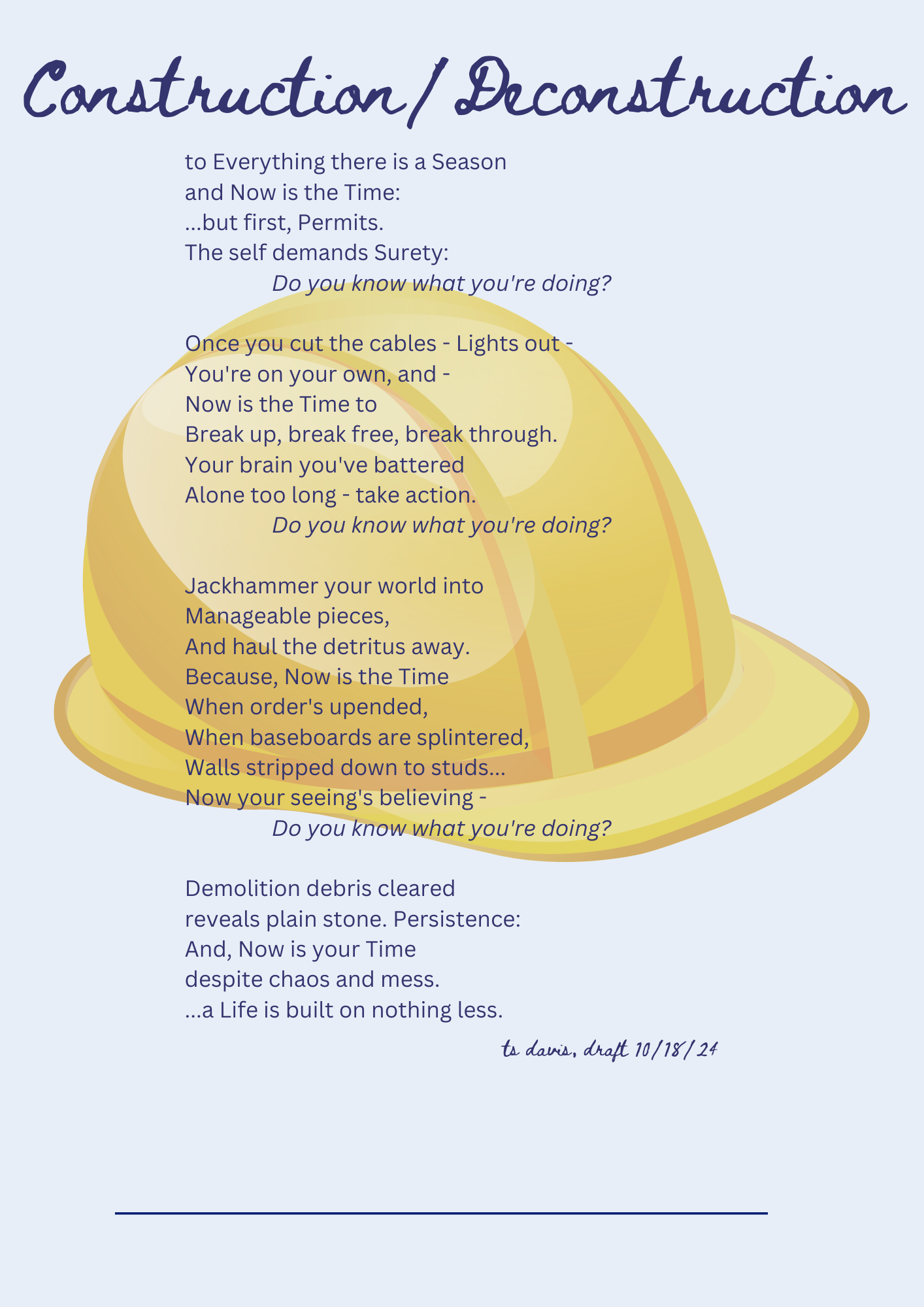
By last night, I knew I wasn’t going to be able to pull anything together in a timely manner, so I started looking at some of my previously abandoned attempts in an attempt to see what prompted me to quit writing on them. I know that poetic “feeling” is often in the eye/ear of the beholder, and hoped that I might be able to recapture something that went missing in subsequent lines. I… cannot honestly tell if I succeeded. Having begun and abandoned poetry about literal building projects, I began a rewrite in the metaphorical. Previously this had seemed like far too broad of an enterprise – how do you deconstruct an idea or a belief? It turned out that maybe you do the same things you do for a literal building – you get permits, and you begin demolition. What you do next is …up to you.

Construction/Deconstruction

to Everything there is a Season
and Now is the Time:
…but first, Permits.
The self demands Surety:
Do you know what you’re doing?

Once you cut the cables – Lights out –
You’re on your own, and –
Now is the Time to
Break up, break free, break through.
Your brain you’ve battered
Alone too long – take action.
Do you know what you’re doing?

Jackhammer your world into
Manageable pieces,
And haul the detritus away.
Because, Now is the Time
When order’s upended,
When baseboards are splintered,
Walls stripped down to studs…
Now your seeing’s believing –
Do you know what you’re doing?

Demolition debris cleared
reveals plain stone. Persistence:
And, Now is your Time
despite chaos and mess.
…a Life is built on nothing less.

If the answer to the question “Do you know what you’re doing?” continues to be “Um, no…” – in life, as well as in poetry, sometimes the answer is just… keep going. And once you’ve gotten down to your foundation, see where it needs shoring up, do the work, and rebuild. Honestly, a life – an idea – a dream – really is built on nothing less. We build by putting on brick atop another, pressing them in place, and going on to the next brick. And that is also how we persist – and succeed. In the words of Octavia Butler, So be it, see to it. You are the builder – so build it.

Happy Weekend, friends.

{pf: poetry peeps wabi their sabi}

Welcome to another Poetry Friday Poetry Peeps Adventure!

Poetry Peeps! You’re invited to our challenge for the month of July! Here’s the scoop: We’re writing …Haiku/Senryu classifieds. Reprising our 2015 want ads project, we’re combining our love of Missing Connections, Desperately Seeking______, For Sale, and other random Penny Savers, Craigslist, and back-page-of-the-newspaper weirdness into deliciously brief poetry bites. Are you game? Good! You have a month to craft your classified creation and share it on July 28th in a post and/or on social media with the tag #PoetryPals.


Friends, this is not a real poem.

As long as we’re clear on that, okay?

In the past, I was the person Most Likely To Rant about our poetry challenges, and heaven knows I’ve tried to tone that down a bit so Certain People stop giggling (looking at YOU Sara Lewis Holmes), but BOY did this one bring on the urge to scream. UGH.

From Process…

I mean, technically it’s a poem – it’s …Poetry Friday and I posted it. But, that’s about all that went the way I wanted it to. Very rarely am I really, really, REALLY unable to put together words into something that at least resembles a poem… but whenever the Poetry Sisters say “no rules,” I hit a wall. This business of using the same title, but doing our own thing with no rules on form or content I KNEW was going to be a pain in the neck — so I started writing about what I wanted to write immediately. This…should have worked.

In a way, it did work – I wrote a long poem in blank verse. However, I couldn’t tell when I was …done. After a while, I realized it was simply shaped prose instead of a poem. I scrapped it.

I wrote a ghazel. Then two ghazels. All of them were terrible, but they had absolutely robust vocabulary, and best of all, they rhymed, which… tells some part of my brain that I’m Doing It Right.

…except that Ghazels don’t rhyme (except internally), so… I scrapped those, too. Plus, did I mention they were terrible? I kept getting overly invested in the turns of phrase, and forgetting that the theme was wabi sabi. Paying attention. Transience. Imperfection. Change. I was like a kid who had the assignment – to write a paper about the Second World War and got stuck in a discussion on military haberdashery in 1944. It’s adjacent to the topic, but not there at all.

After more reflection, I figured out that the real issue is that I don’t like wabi sabi as a… concept. I mean, it’s fine, but hello, it’s the melancholy awareness of the transience of living things. It’s a reminder that all things metamorphose, adapt, and die; a reminder that nothing is permanent or will stay the same or will last. Oh, goody, all of the things that the human brain is hardwired to ignore.

Was this just an emotional wall I hit, a tantrum because I didn’t like the topic? No…? I mean, I wanted to write about having a big anniversary the year my brother is getting married – year one and year thirty, a month apart. That’s not a bad topic – but it’s personal. Maybe the struggle came with adding the personal to the transient – on a week when my Dad’s been hospitalized yet again. My literal baby, as in, “woke up with you, carried you, changed your diapers” baby brother is getting married. I know this is a tectonic change – that’s quite clearly being rubbed in my face. Maybe it’s just right now too much to put on one poem.

That happens sometimes.

…To Poetry

After this sprawling mess of realizations, one thing I also examined was why the first poems had disgusted me so much. I don’t usually …fling poems from me quite so energetically. Most of the time I make things work – and our Poetry Friday exercises have, for the last how many years (since 2007!?), been strictly about the PRACTICE of poetry, and not the PERFECTING thereof. But the poems struck me as slick, glib – and wordy. I can do that – I can produce words that sound good, at least – as tuneful as a drawer full of cutlery, if nothing else. But like that bright clatter, they’re basically meaningless. There’s a difference between wordplay and poetry, and too often, I err on the side of wordplay. Normally that’s fine – you can use wordplay to elevate your poem, but it’s a mistake to rely on it, and think it’s the same…

Anyway, I knew I wasn’t really digging in and putting in the work to get to any Actual Feelings (TM) or Insights about the things my poem allegedly was about. So. I stopped writing. Honestly, it felt like my house was sitting on the surface of the sun, and it was too flippin’ hot to think straight anyway.


**** Fortunately, OTHER PEOPLE DID NOT POUT AND KEPT AT IT! **** Laura’s poem is here. Liz’s poem is here. Sara’s poem is here, and Mary Lee’s poem is here. Here’s Tricia’s poem, and she’s got the full Poetry Friday roundup today. Michelle K’s poem is here. Linda B’s broom wabi sabi is here. More of the wabi sabi-ing may be wafting in throughout the weekend, and I’ll post their odes to transience and imperfection as I find them – stay tuned for the roundup!


Okay, here it is, Thursday evening, and I’m left with what I’m left with – finally a lovely, temperate day and… a word salad.

Flawed. Unfinished. Abandoned. As Richard Powell put it, “Nothing lasts, nothing is finished, and nothing is perfect.”

Wabi sabi on the nose.

WABI SABI: A Word Salad

A squalid stuff, word salad –
A wabi sabi wasteland.
A welter of syllabic stress
songs sounding dissonance.

Imperfect and unfinished
its point lies in acceptance:
Release of our own relevance
as center of the mass.

in still seeking distinction
And means of contribution,
we try for conversation,
to compel connection

Clever clatter cannot cure
what yawns, hungry, for a Word
That lasts through transiency’s attempts
to be the last thing heard.


If you can’t find the right words to write something this weekend – don’t despair. Remember that the genius is within you. The words are there – give yourself the time to think them. In the meantime, lying down with an ice pop certainly won’t hurt …

{pf: poetry peeps sound an ode to ourselves}

Welcome to another Poetry Friday Poetry Peeps Adventure!

Poetry Peeps! You’re invited to our challenge for the month of June! Here’s the scoop: We’re writing a poem with the title ‘Wabi-Sabi.’ Aaaand, that’s… the scoop. That’s it. A little unsure of the concept and philosophy? In his book Wabi-Sabi Simple, Richard Powell described wabi-sabi as a philosophy that acknowledges a lifestyle that appreciates and accepts three simple truths: “Nothing lasts, nothing is finished, and nothing is perfect.” We’ve left ourselves room this month to meditate on all sorts of things, including, but not limited to, ellipses, pauses, and periods to acknowledge endings. Are you game? Good! Whichever way wabi-sabi wafts you, you have a month to craft your creation and share it on June 28th in a post and/or on social media with the tag #PoetryPals.


Friends, this month was a doozy.

Periodically in our poetic perambulations, we wander into a quagmire and find ourselves just… stopped. Stuck.

This time, it was because we were writing in the spirit of Lucille Clifton’s “homage to my hips,” and uncovered a lot of body image issues in ourselves. Here’s this lovely poet, praising the promising swing and sway of her bountiful hips, and we… recoiled from a paean of praise to our own bodies, because… eew. There was imperfection. There was wistfulness. There was frustration. There was a lot to dig through to get unstuck.

Soooo, we had to do a little therapy. As one does. Results? Liz’s poem is here. Mary Lee’s affirmation is here. Tricia’s poem is here, and Laura’s is here. Michelle’s poem is here, and Linda B.’s poem is here. More peeps with poetic panegyric might sally forth to give thanks for their thighs – as I discover their poems, I’ll post them, so do check back for the roundup.

From Process…

I was so, so grateful that I’d found the Bill Moyers’ recording of Lucille Clifton reading her own poem aloud. She made people laugh. She made people worry. She laughed at herself, and, gently, at their worry. She claimed she had “thrilling” body parts. In performance she was a live wire, and her joy in herself – in opposition to the societal norms which bid her condemn rather than celebrate the swish of her hips – is infectious. We all listened, and we none of us could resist that joy. So, step one, if you’re ever stuck writing something kind about yourself – listen to Ms. Lucille.

I listened for the “presence” word as I reread the poem. Ms. Lucille’s hips are big, they take up space, they don’t fit just anywhere; those hips are free and have never been enslaved. They were mighty and magical, and then she offered us proof of this. When the poem is stepped through instead of skimmed, it is easier to see where her hips sort of “break through” the confinements and actions of other people’s calmer, tamer hips. With that in mind, I turned to my own poem.

…to Poem

Of course, that meant trying to find a body part that I could deal with. Oh, sure, I could have echoed the mentor poem, but Ms. Lucille had capital ‘h’ Hips. I have… a hinge that does the job, but without much ‘verve and swerve,’ as it were. I do have shoulders that hit all of the presence words – big, take up space, don’t fit… but five lines into trying to write about them, I became entangled in the metaphorical uses of shoulders – people use them to cry on, they have to bear the weight of the world’s problems. I have shoulders like a linebacker (with only minimal exaggeration) but I don’t always want to be leading the defense and protecting the quarterback. That’s… less about the shoulder and more about what a shoulder’s expected to do. Nope. Wrong direction.

I sighed and considered. Belly buttons – what can one say about an ‘innie’ in a squishy belly? – necks – boring, really, – fingers – um, right now the joints are a bit too inflamed to be giving me praiseworthy vibes – feet, hips, spine, same issue. This is the problem with a flawed body, friends. A lot of my systems started to fail in my late twenties, and I’ve had somewhat of an adversarial relationship with my body since then. It’s too easy to find fault with it. Too easy to look at the scars of deficiencies and disorders and the associated insufficiencies and think there’s no room for homage, only abhorrence. And that’s …not good. Understandable, but not sustainable. I have to LIVE here, after all – we need a working relationship, and at minimum, respect and care and appreciation. So. Back to the drawing board yet again.

I considered body parts which I actively dislike, but couldn’t summon the energy to fight myself for them. I wondered aloud if hair was a body part – I mean, technically that could count? – and then I saw a picture of a stairwell in a museum which I love, and remember walking down those stairs MANY years ago in three-inch heels (for an event) and thought, “I loved those shoes, they made my calves look…” Oh. OH!

Suddenly, I was unstuck.

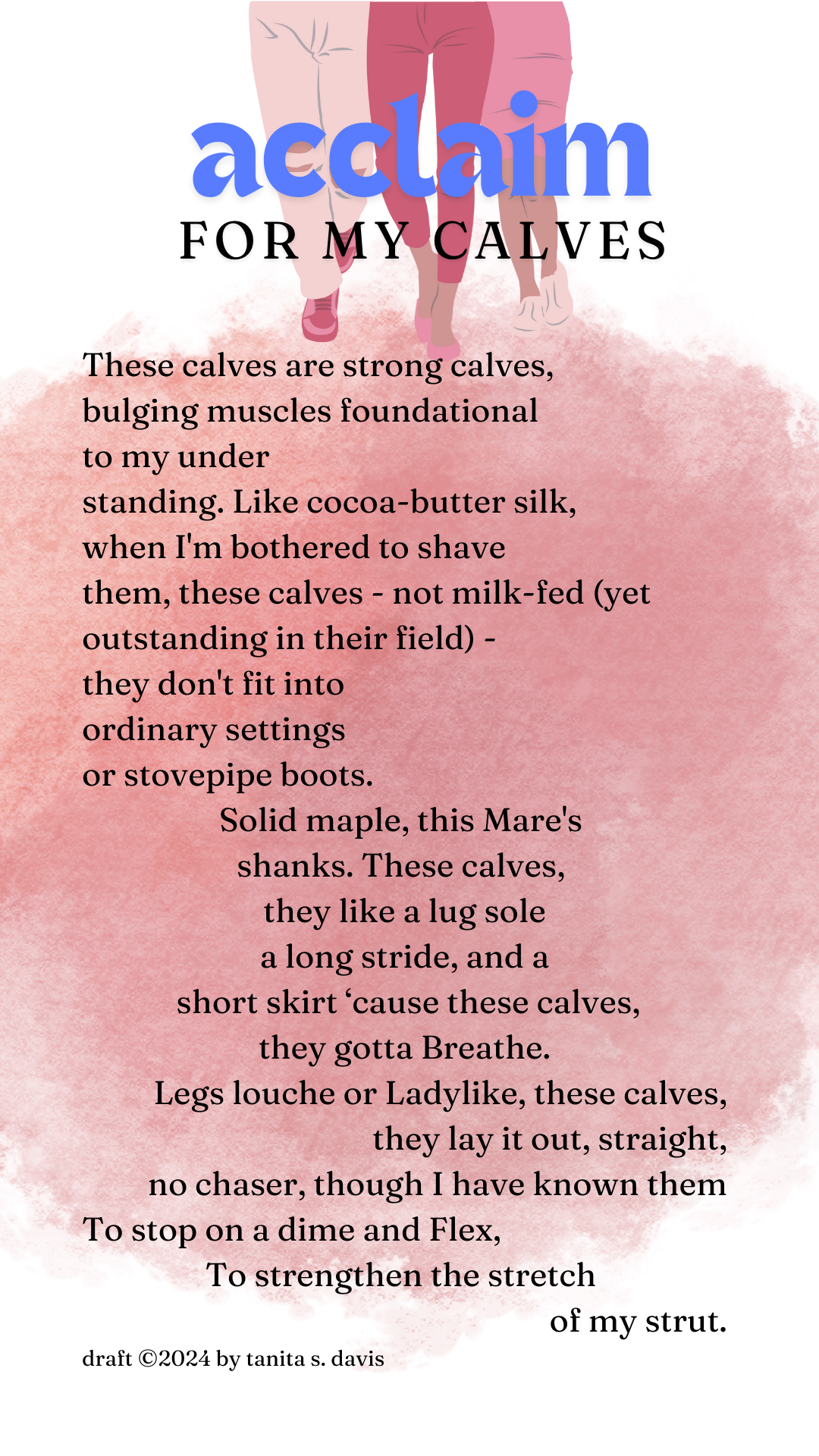
Acclaiming My Calves

These calves are strong calves,
bulging muscles Foundational
to my under
standing. Like cocoa-butter silk,
when I’m bothered to shave
them, these calves – not milk-fed (yet
Outstanding in their field) –
they don’t fit into
ordinary settings
or stovepipe boots.
Solid maple, this Mare’s
shanks. These calves,
they like a lug sole
a long stride, and a
short skirt ‘cause these calves,
they gotta Breathe.
Legs louche or Ladylike, these calves,
they lay it out, straight,
no chaser, though I have known them
To stop on a dime and Flex,
To strengthen the stretch
of my strut.
draft ©2024 by tanita s. davis

That was just the warm-up! There’s more poetry this Friday, hosted by Janice at Salt City Verse, exploring a great new poetry anthology, so check that out and the community’s poetry as well. Thanks much for hosting, Janice!

Meanwhile, here are the calves in question: you’re WELCOME.

Don’t forget what Ms. Lucille said. You have thrilling body parts. You are, both body and soul, breathtakingly made. Celebrate the wonderfulness that is you.

{posting our january poetry plan}


I love this statement from Audre Lorde’s poem of the same title – poetry is not a luxury, but a necessity to remind of us thoughts and feelings and ways of seeing. This ‘ways of seeing’ is going to be a recurring theme for me this year, as the Poetry Sisters celebrate our unique and varied visions and our ability to all look at one thing and come away with seven different ideas about it. Viva la difference!

Welcome to another Poetry Friday Poetry Peeps Adventure!

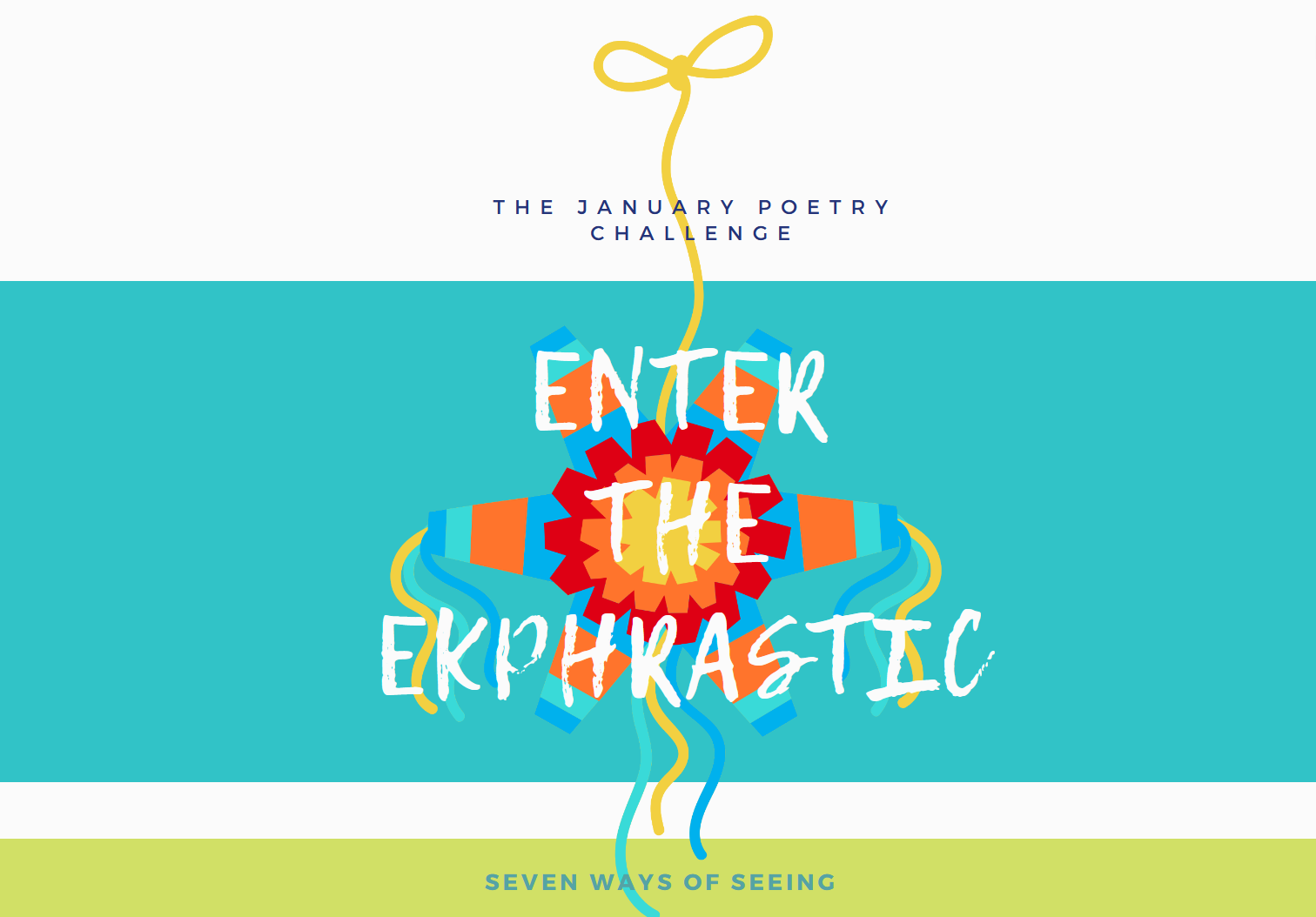
Poetry Peeps! You’re invited to our challenge for the month of January! Here’s the scoop: We’re writing ekphastic poetry on… piñatas. No, really. Those hollow-hearted paper beasts we love to beat might not be something you think are poem-worthy – usually – but you’ve NEVER seen piñatas like these. Featured on PBS’s fabulous Craft In America series, we’re celebrating the humble piñata as elevated by Robert Benavidez. Check out his work. Are you game? Good! Whichever of his creative creatures and absolutely out-there works of art that you choose, you have a month to craft your creation and share it on January 26 in a post and/or on social media with the tag #PoetryPals.

HAPPY 2024!

May you offer art without apology as you celebrate YOUR way of seeing.

{gratitudinous: a november exercise}

“so, thanks for this…”

When it finally decides to stop lollygagging, time does not play. September dragged her limp skirts in the dust, and then, record skip, all of a sudden, November, and I’m groping in the dark velvet bag of early evenings and late mornings, desperately fumbling after gratitude.

To paraphrase a line from a TV show, this past summer has been “a bully of a season” which won’t stop trying to step on the back of my shoe, give me wedgies and fling spitballs into my hair. I would really like to hip-check said bully into traffic, but it keeps changing faces, and it keeps coming back. I hear it’s the same with you, in so many tiny, vicious ways.

And yet, there’s gratitude to be found in the dissection of our annoyance, in the intersection of our drowning and our fear. There’s gratitude to be found in the CPR we perform on our souls, restarting our hearts, restoring our breaths. It’s here, in the last bitter draughts of the thing we thought we’d never choke down. It’s here, in the 3AM wakefulness, in the fretful twisting of the soul as we wonder when, where, how we’ll move past this moment. It is here – and thus we will stay here, we’ll stay in the moment. We’ll find it, this gratitude that sometimes eludes us.

Not everything is a grace, not everything is something we can look on with pride, with joy, but this very choice is left to us – and the final choice, the one in which we choose… In the words of Victor Frankl, “Everything can be taken from a man but one thing: the last of the human freedoms – to choose one’s attitude in any given set of circumstances.” That we have – that is always with us. So, we choose our act, and choose to act, in gratitude.

So thanks for that. For the exercise and the observation. For the necessity and the need, creating the practice. We’ll take it.

{story chat: angie thomas & books of wonder}

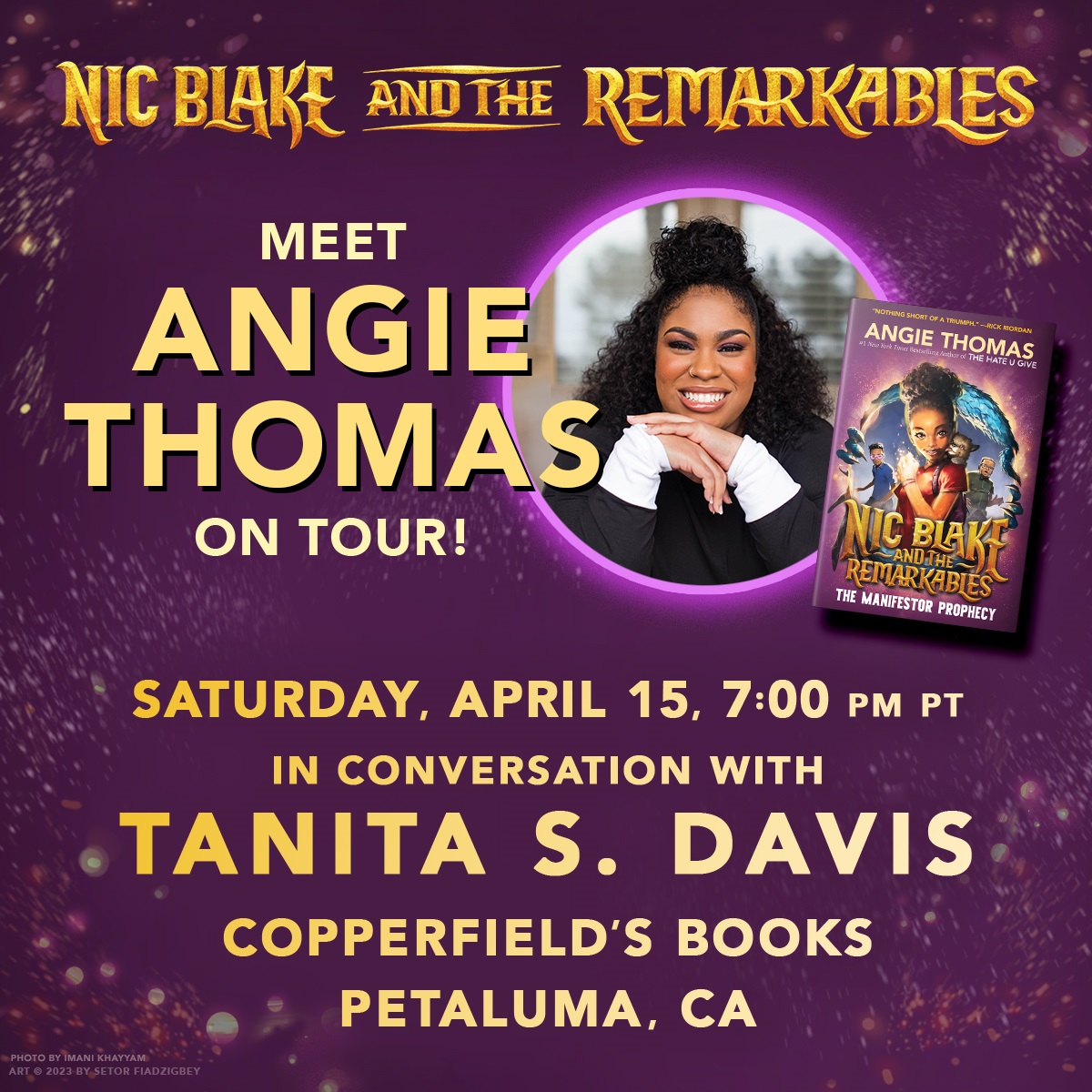
A breezy, sunny weekend, good books and avid readers! Looking forward to hanging out in the North Bay this Saturday night!

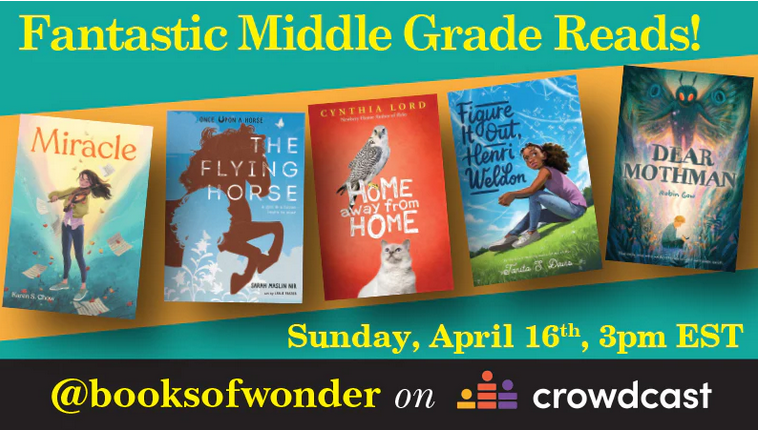
And, then Sunday afternoon, I’ll be virtually jetting to New York to talk with even more great book people!

I hope you can join me one place or the other – you can definitely still reserve your spot on Crowdcast with Books of Wonder, so if you can, do! If not, there will be recordings and photographs posted from both events, and I’ll tell you all about them later.

Until then…

{pf: Henri on the internet}

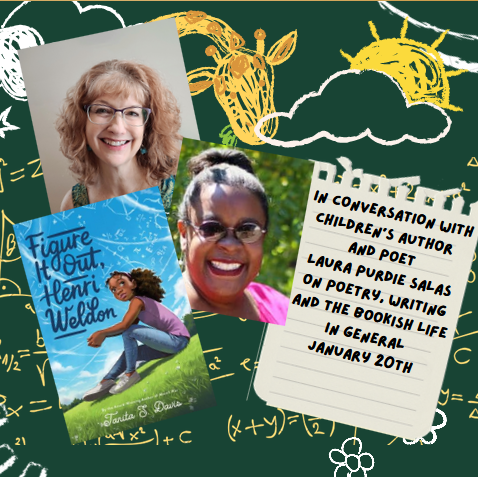
Happy Poetry Friday! I’m at Laura’s today, being interviewed about my latest middle grade book – wherein I have the students participate in Poetry Friday.

Poetry Friday is kind of a funny thing for me – because I never was quite sure how I got involved. I did a little bit of posting, and enjoyed writing the odd haiku, but when an actual published picture book poet approached me about being part of a poetry group, I was… shocked, to say the least. And it’s happened twice now! Do I yet consider myself a poet… Not…really? Even though I just wrote a novel that has original poetry of mine (in the voice of my middle grade character) all the way through it. Maybe it’s just that I don’t want to narrow anything down. I’m a writer. I’ll always be a writer. Sometimes, I just write poetry.

To that end, here’s a semi dansa:

So, How Are You…? and Other Question Pitfalls

We say “Good” and mean “Well…”
Polite insists on “fine:”
(If heartsick, give no sign
It’s in poor taste to dwell,
We say.) Good and mean? Well…
While no one’s all sunshine
It just seems asinine
To beam while we’re in hell.
We say “Good” and mean, “Well…”
Are we to “fibs” resigned,
So no one says we whine?
On this point I REBEL —
Say good, and mean it. Well?


Hope you’re happy and you know it this weekend. Or else if you’re grumpy, you don’t tell people you’re doing fine. Poetry Friday today is Marcie Atkins’ blog, where she is ironically featuring one of Laura’s books today too. Happy Weekend.

{welcome, poetry peeps! the roundup is here!}

Poetry Peeps! You’re invited to our challenge in the month of September! Here’s the scoop: We’re drawing a form from within our community and doing a Definito. Created by poet Heidi Mordhorst, the definito is a free verse poem of 8-12 lines (aimed at readers 8-12 years old) that highlights wordplay as it demonstrates the meaning of a less common word, which itself always ends the poem. Are you in? Good! You’ve got a month to craft your creation(s), then share your offering with the rest of us on September 30th in a post and/or on social media with the tag #PoetryPals.


Welcome, Poets, to the liminal season, where we are on the threshold of seasons, standing between the last gasp of summer, and the first breath of autumn. The Poetry Sisters’ challenge this month was a good one for a moment of transition, as it was a new-to-us form called the Bop. Created by poet Afaa Michael Weaver, the Bop is a kind of poetic argument, with the first stanza setting up a complaint, the second expanding on it, and the third either providing resolution or a narrative of a failed resolution. You can read Laura‘s poem, Mary Lee’s, Tricia and Liz’s poems here. Michelle K. joins us here. A few more Bops might pop up throughout the weekend, so stay tuned.

For more Poetry Friday offerings, and to share your own click here. Thanks for stopping by.


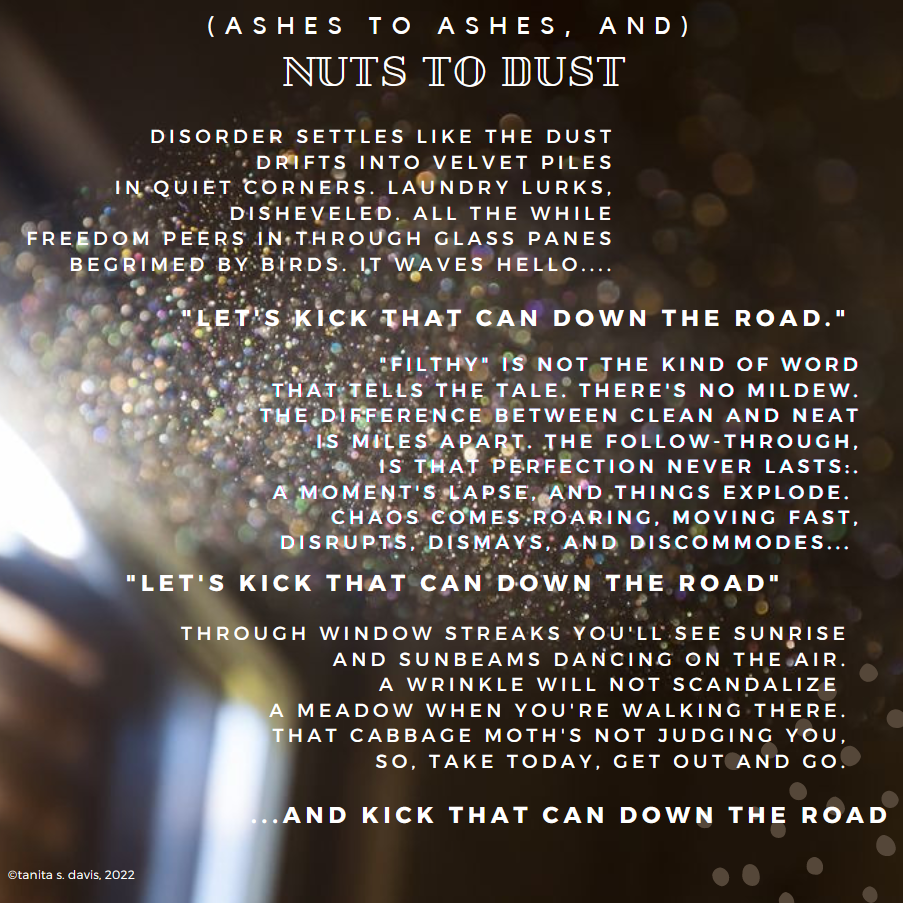
With my affection for the villanelle and the sestina, you’d think I’d be at ease working with a refrain, but perhaps it was something about a group-sourced refrain (hat tip to Poetry Sister Sara) that tripped me up. For whatever reason, the refrain in the Bop seems wholly separate from the stanzas… so much so, that I ended up hitting a wall at the end of my first stanza. Suddenly the fourteen-syllable lines seemed clunky, and the beats fell oddly. I started over, trimming my lines, but then the rhyme felt forced. Another draft, now completely unrhymed, but the internal rhythm and more polished language of my lines felt off when faced with that casually worded refrain. Isn’t that just the way it goes when you have a poetic form you’re certain will be simple? Eventually I got it to where I was …just done messing with it. I left the rhyme imperfect, with an off-meter step near the end of each stanza to signal that repeated refrain coming to pause the discussion again. Reminding myself these poems are meant to be exercise and not perfection, I stumbled and limped into my imperfectly perfect topic… housekeeping.


Click to enlarge

(Ashes to Ashes, and) Nuts to Dust

Disorder settles like the dust
Drifts into velvet piles
In quiet corners. Laundry Lurks,
disheveled. All the while
Freedom peers in through glass panes
Begrimed by birds. It waves hello….

Let’s kick that can down the road.

“Filthy” is not the kind of word
That tells the tale. There’s no mildew.
The difference between “clean” and “neat”
is miles apart. The follow-through,
Is that perfection never lasts:
A moment’s lapse, and things explode.
Chaos comes roaring, moving fast,
disrupts, dismays, and discommodes…

Let’s kick that can down the road.

Through window streaks you’ll see sunrise
And sunbeams dancing on the air.
A wrinkle will not scandalize
A meadow when you’re walking there.
That cabbage moth’s not judging you,
So, take today, get out and go.

…And kick that can down the road.


Just now, we all have so much to do – classes to start, books to buy, odd socks and lunch dishes to find, dust bunnies to rout, and water bills to pay. I hope we can find a moment to take stock and figure out which cans can be kicked down the road indefinitely – and which cans are absolutely only for right now, and must be cracked open immediately to let the full fizz of life bubble out. Carpe diem, poets. Don’t let that just be a catch phrase, life is way too short. Grab all the joy that you can – and splash it out. Happy Weekend.


(Commenting snafus: Commenting issues are an artifact of a sometimes aggressive spam filter. If your comment seems to vanish, it likely got caught. No worries, I’ll fish it out shortly!)

{whither creativity}

Every year I find I’m knee-deep in spring or early summer, stuffed with farmer’s market produce and sunny days with no idea how or when I got there. I just look up, and boom – this is my life, squeezing to see if the plums are ripe, filling the bird feeder and their bath, watering, weeding (so. much. weeding), slicing up apples for the deep freeze or the dehydrator and doing The Garden Thing that takes up more of my brain every season. As water restrictions and an earlier and earlier growing season changes traditions, I’m attempting to actually notice things and be more present this time around. It, like everything else with me, is a work in progress.

In the last couple of years I’ve been REALLY privileged to have several projects sell, one after the other. I suddenly went from a pause of about two years between books to having books come out three autumns in a row. In a pandemic. And every book, I discover myself knee-deep in revision or writing in ways to expand and bright forward hidden theme, or listening to audio book artists to give my two cents to my editor, and look up and think – wait, how did I get here? Outside of Julianna Baggott’s seminar that I took with my writing group a few years ago (It’s called Efficient Creativity – and it was truly worth our time), I don’t look much at my process. I have Ideas, they become books, The End.

With a smaller world, fewer opportunities taken to just get out and observe humanity, and more time by myself, though, I’m noticing that my creativity has taken a hit. Not a huge one – but I’m conscious that with the increased monotony of my days that the Random Idea Generator has slowed. I’ve always enjoyed rainy, gray days as a time to cocoon in and dream, but the past two years seem to have provided a plethora of that, and this winter hasn’t been as fruitful as I’ve expected. I find myself floundering. Part of it is the inevitable Doing Anything fatigue with the autoimmune thing, but it’s also that I find myself dodging commitments and feeling enormous pressure when I have to do even small things. It’s funny because we all know we have ‘seasons of life’ blah-blah-blah, but I think I’m finally connecting the dots with the garden – if we don’t have seasons we fertilize, we have seasons where nothing grows.

So, it’s time for finding fertilizer.

It’s a strange place to be. I’m good at creating assignments for this sort of thing – poem idea generators or something – but for ways to generate creativity in general? I’m kind of stumped. I’m trying to make more time to color, daydream, look at clouds. I’m not convinced that won’t work, but it doesn’t seem it will work in a hurry. In the meantime, the trees are budding, and I’m trying to pay attention and be at home in this world. Right now, that has to be enough.