 Last week I mentioned that I am living sandwiched between construction projects — the roof seven stories above me, and the demolition across the street. As much as I find the noise and dust intrusive, I expect it’s nothing compared to how intrusive the elementary school across the block must find it. It looked, this morning, like the teachers had all finally given in to the lure of the big machines, and brought the kids over for a squint.
About seventy five kids – between the ages of first and fourth grade – got to march out from their classroom, cross the street, eel up the sidewalk and line up at the fence that separates their playing field from the construction site. The workers seemed a bit nonplussed for a moment, and there was a pause and a helmet-to-helmet consultation between hard-hatted gentlemen, probably asking one another what was meant to happen next. Then, with almost visible shrugs, they went back to work. They fired up the Caterpillar and pulled down some I-beams.
CRASH!
Engines whined. Metal shrieked. Children jumped around and screamed. It was enormously satisfying noise, wanton destruction, large machine maws gaping and crunching and metal sheeting crumpling like construction paper. The applause and cheers of the audience rose. Something that was meant to be destroyed was going down big time. Joy was uncontained.
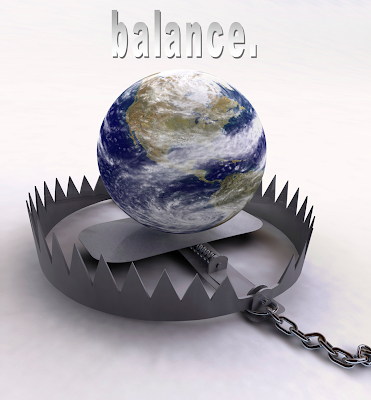
Perspectives on destruction vary as we age. Perhaps it’s because the older we get, the more we know enough about loss. Little kids are gleeful to knock down blocks and kick over sandcastles, but just a little bit older, and the inexorable march of the tide brings desperate wailing, moat digging, and shrieks as the sandcastles go back out to sea. It’s hard to see things destroyed without reverting to the nostalgia of when they were new. Maybe most of us hold on tightly to what is, knowing the transient nature of circumstance, sensing the breathless balance of life against the razor-edged teeth of disaster, we’ve learned to be prepared at all times to mourn.
Is that any way to live?
Another Postponement of Destruction
Banging out the kitchen door, I kicked
before I saw it a thick glass baking dish
I’d set outside for dogs the night before.
It skidded to the top step, teetered, tipped
into an undulating slide from step
to step, almost stopped halfway down, then lunged
on toward concrete, and I froze to watch it
splinter when it hit. Instead, it kissed
the concrete like a skipping stone, and rang
to rest in frost-stiffened grass. Retrieving it,
I suddenly felt my neck-cords letting go
of something like a mask of tragedy.
I washed the dish and put it in its place,
then launched myself into a rescued day.
— by Henry Taylor from Understanding Fiction: Poems 1986-1996, Louisiana State University Press, ©1996
If you want more of Henry Taylor’s particular kind of poetic brilliance, here are a handful more from the Beltway Poetry Quarterly. Two Writing Teachers are hosting the Poetry Friday extravaganza today, please stop by.
The Weekly Standard talks poetry today, rolling words on its tongue with a languid, liquid verbosity — viva la agenbite!

